


%20(1).png)
How to Coordinate the Bride and Groom Outfit for a Cohesive Wedding Look

The bride and groom’s attire sets the tone for the entire wedding, making their outfits one of the most important details to plan carefully. When the two of you look cohesive, every photo, ceremony, and reception moment feels intentional and polished. Coordinating your styles goes beyond simply matching colors—it’s about ensuring fabrics, silhouettes, and formality levels work in harmony.
In this guide, you will learn practical tips to align the groom’s look with your gown, create balance in the wedding aesthetic, and make sure both of you feel comfortable and confident throughout the day.
Why Coordination Matters
When planning the bride and groom outfit, many couples focus on individual looks without considering how the two will come together. A gown might be stunning on its own, but pairing it with a tuxedo or suit that clashes in style or formality can disrupt the overall aesthetic.
Consider this: your gown might be romantic and flowing, while a rigid, heavily structured tuxedo could feel out of place. On the other hand, a modern tailored suit can complement a sleek, contemporary gown beautifully. Coordination ensures that the two of you appear harmonious together, elevating the visual story of your wedding day.
Start with Formality
One of the first things to consider when coordinating your bride and groom outfit is formality. This helps narrow options quickly and keeps the wedding looking cohesive.
Black Tie: If your gown is elaborate or floor-length with dramatic details, a classic black tie tuxedo suits the level of elegance. Satin lapels, a bow tie, and polished shoes enhance the refined feel.
Formal: Structured gowns with clean lines can pair with a dark suit or tuxedo, allowing subtle flexibility in tie or vest choices.
Semi-Formal: For lighter, flowing gowns or daytime weddings, the groom can wear a lighter suit, softer fabrics, or a coordinated tie rather than a bow tie.
Matching the formality ensures neither outfit feels under- or overdressed, giving your wedding photos a naturally balanced look.
Color Coordination Tips
Color can be tricky, but there are several ways to harmonize the bride and groom outfit without looking overly matchy.
Neutral Balance: Classic black, navy, or charcoal suits coordinate with most gown colors.
Accent Matching: Consider tying accessories, like a pocket square or tie, to the wedding palette rather than the gown directly.
Texture Over Tone: Matching the feel of fabrics—like a soft chiffon dress with a textured suit jacket—can be more effective than trying to match shades exactly.
Small touches, like coordinating boutonniere colors or adding subtle metallic accents, can create visual continuity without overwhelming the individual styles.
Consider Silhouette and Style
The silhouette of your gown has a big impact on the groom’s look.
Ball Gowns: Full skirts call for a structured tuxedo or classic suit to balance volume and maintain proportion in photographs.

A-Line or Flowing Dresses: A tailored suit with lighter fabrics can complement the soft movement of the gown

.
Fitted or Sheath Styles: More fitted dresses work well with sharp, slim-cut suits or modern tuxedos to create a streamlined effect.

Taking the time to match the silhouettes ensures your outfits feel like they belong together rather than competing for attention.
Fabric and Texture Considerations
Pairing fabric types thoughtfully adds depth and cohesion. Some combinations work better than others:
Lace or Beaded Gowns: Keep the groom’s suit simple and structured to avoid visual clutter.
Satin or Silk Dresses: Consider incorporating a subtle sheen in the groom’s tie or pocket square to reflect the gown’s texture.
Flowing Fabrics: Lightweight wool, linen, or blends for suits complement soft, airy dresses without stiffness.
The goal is a complementary visual effect that looks polished in photos and feels cohesive in person.
Accessory Coordination
Accessories can be a subtle yet powerful tool to tie the bride and groom outfit together.
Ties and Bow Ties: Pull colors from the wedding palette or subtle accents in your gown.
Boutonnieres and Corsages: Flowers matching your bouquet or gown details create harmony.
Shoes and Belts: Keep style and color consistent with the groom’s suit and the overall tone of the wedding.
Avoid overmatching—accessories should support your looks, not compete with them.
Working With the Wedding Party
When coordinating your outfits, consider how the groomsmen and bridesmaids fit into the overall aesthetic.
Choose dresses and suits that complement your attire in tone and style.
Pay attention to lengths, fabrics, and colors, so the bridal party feels cohesive in group photos.
Subtle variations, like slightly different tie shades or complementary bridesmaid dress colors, can create a visually rich and coordinated look.
This step ensures the bride and groom outfit feels central, yet integrated into the wedding party.
Timing and Fittings
Scheduling fittings in advance is key.
Make sure both the gown and groom’s suit are tried on close to the wedding date.
Bring photos of the completed dress to coordinate details like tie style, cufflinks, or boutonniere placement.
Adjustments may be needed to ensure the groom’s outfit aligns perfectly with the gown in terms of length, fit, and overall presence.
Planning ahead reduces last-minute stress and ensures every element feels intentional.
Common Mistakes to Avoid When Matching the Bride and Groom Outfit
Even with coordination in mind, there are pitfalls to watch for:
Ignoring Venue or Season: A formal tuxedo may feel out of place at a beach wedding, while a lightweight suit may seem underdressed in a ballroom.
Overmatching Colors: Exact color matches can look unnatural; aim for complementary tones instead.
Neglecting Fabric and Texture: A heavy wool suit can overpower a delicate gown, creating imbalance in photos.
Being mindful of these missteps keeps your bride and groom outfit harmonious from ceremony to reception.
Bringing the Look Together With Expert Guidance
When the time comes to finalize the bride and groom outfit, having expert support makes a difference. Bridal and Formal Boutique & House of Tux specializes in helping brides and grooms choose attire that feels intentional, cohesive, and well-suited to your wedding vision. Their team can provide advice on coordinating gowns, suits, and subtle accessories, ensuring your looks are polished without feeling forced.
Whenever you are ready to explore bride and groom outfit options in person, book an appointment with us to start the process with ease and confidence.

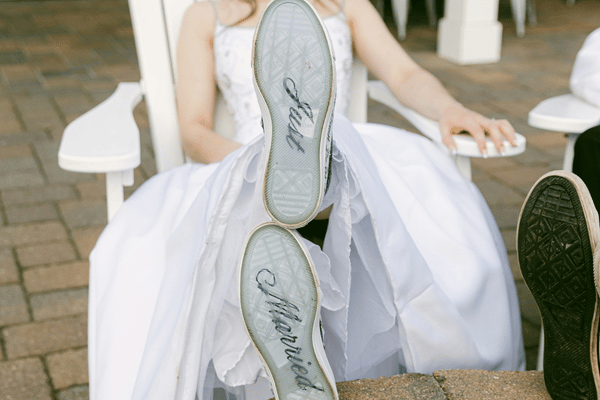

For a well-coordinated wedding look, men can subtly elevate their outfit with a men’s leather jacket when the setting allows a slightly modern or relaxed vibe. A clean, minimal leather jacket in a classic shade like black or deep brown can complement the bride’s attire without overpowering it, especially for outdoor or less formal celebrations. It keeps the look cohesive while adding a refined edge.